
Picking bathroom tiles sounds simple until you are standing in a showroom surrounded by hundreds of options and a salesperson asking if you want matte or glossy. Suddenly, your dream bathroom feels like a puzzle with too many pieces. The good news? It does not have to be that complicated. Once you understand a few key things, the whole process gets a lot easier and maybe even fun.
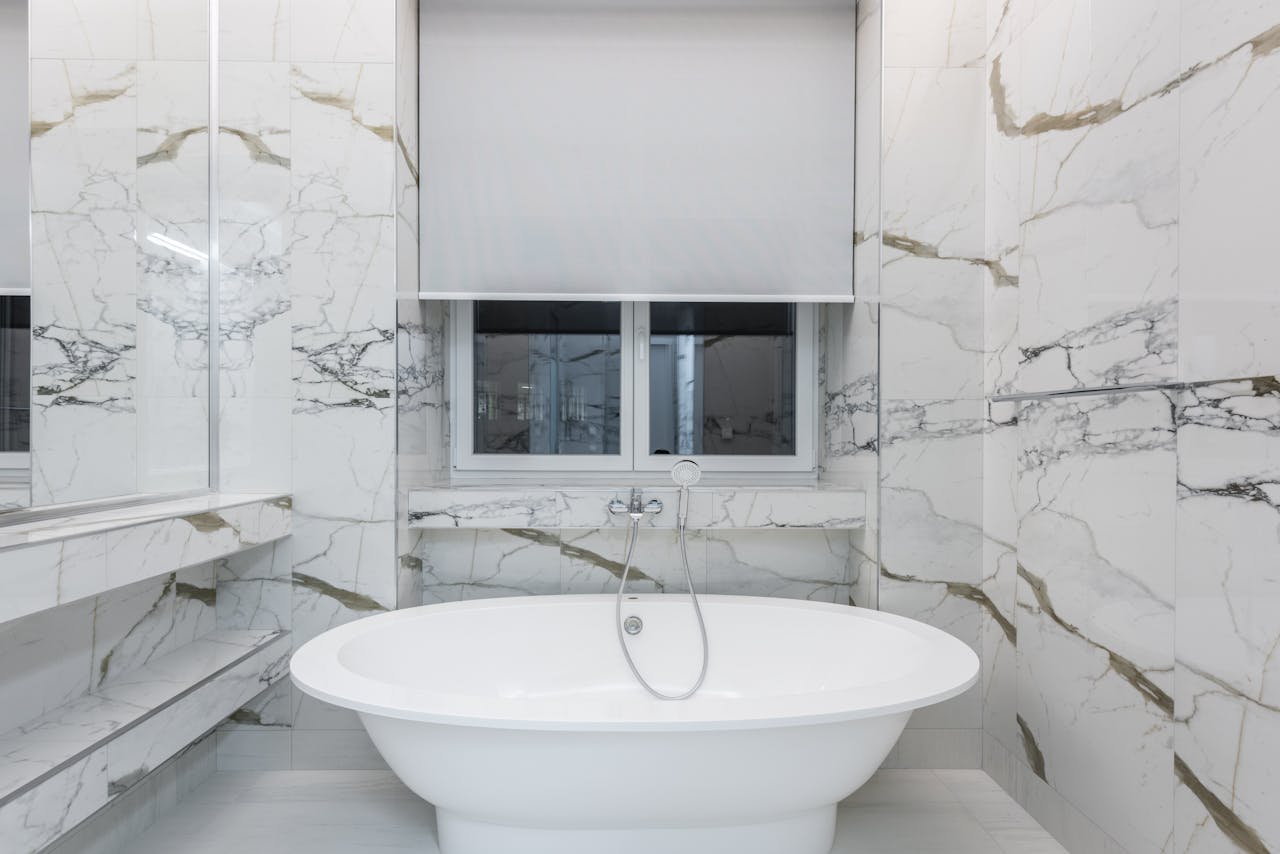
This guide will walk you through everything you need to think about before buying a single tile. From the size of your bathroom to the type of finish, you will leave here with a clear plan instead of a headache.
Why Tile Size Matters More Than You Think
A lot of people pick tiles based on what looks cool in photos, then get home and realize the size is totally off for their space. Tile size plays a huge role in how big or small a room feels. Large format tiles like 24x24 inches can make a small bathroom look more open because there are fewer grout lines to break up the floor visually. On the other hand, smaller mosaic or subway tiles bring texture and detail that work well in larger spaces.
For tight bathrooms, go with larger tiles and keep the grout thin. It is one of the easiest visual tricks out there. If your bathroom is on the bigger side, you have more flexibility to mix large floor tiles with smaller wall accents without things looking cluttered.
Quick tip: Always bring home a sample tile and place it on your actual floor before ordering in bulk. Lighting changes everything.
Picking the Right Material Without Second-Guessing Yourself
Tile material is where most people get stuck. There are a lot of options and each one has its own personality. Here is a simple breakdown to help you decide faster:
| Material | Characteristics & Best Uses |
|---|---|
| Porcelain | Tough, water-resistant, great for floors and walls. Low maintenance. |
| Ceramic | Budget-friendly, easy to cut, works well on walls. Not ideal for heavy foot traffic. |
| Natural Stone | Looks stunning. Needs sealing and more upkeep. Best for a luxury feel. |
| Glass | Reflective and bright. Ideal for backsplashes and accent walls. |
If this is your primary bathroom that gets used daily, porcelain is almost always the right call. It holds up to moisture and daily wear without needing constant care. Ceramic is perfectly fine for a guest bathroom or powder room where traffic is lighter. Natural stone is gorgeous, marble and travertine are popular picks, and if you are willing to seal it regularly, it ages beautifully. You can also get expert guidance from DS Sales Associates to match materials to your specific bathroom layout and usage needs.
Getting Grout Right So It Does Not Ruin Your Hard Work
Nobody talks about grout enough. You can pick the most beautiful tiles in the world, and then a poor grout choice will make the whole thing look messy or dated within months. Grout comes in sanded and unsanded varieties. Use unsanded for thin joints under 1/8 inch, and sanded for anything wider.
Color is where grout gets interesting. Matching your grout closely to your tile creates a seamless, clean look. A contrasting grout color makes each tile pop and adds a design element on its own, think white subway tile with dark charcoal grout. It is bold, it is sharp, and it has been a popular choice in modern bathrooms for a reason.
Epoxy grout is worth the extra cost if you want something highly stain-resistant and long-lasting. Standard cement-based grout needs sealing every year or two. Skipping that step is how grout ends up looking dirty even when it is clean.
Lighter grout near the shower or around the floor drain will show staining faster. Plan accordingly or go darker in high-splash zones.
How Finish and Color Set the Whole Mood
Matte versus glossy is not just about personal preference. It is about practicality, too. Glossy tiles reflect light and can make a dark bathroom feel brighter. They are easy to wipe clean, but show water spots and fingerprints more. Matte tiles hide marks better and give a more relaxed, modern vibe, though they can be slightly harder to clean in textured versions.
For color, light tones like white, soft gray, and warm beige open up a space and feel timeless. Darker tiles like navy, forest green, or charcoal are bold and trendy right now. They work well as accent walls or in larger bathrooms where you want drama without closing the space in. If you are not sure, go neutral on the main surfaces and add personality through accent tiles, hardware, or decor.
A Simple Checklist Before You Buy
Before you place an order, run through these steps so you do not end up with tiles that look wrong, fall short in quantity, or fail to handle daily moisture:
- Measure your space carefully and add 10% extra for cuts and waste.
- Check the tile's slip resistance rating; floors need a higher rating than walls.
- Confirm the tile is rated for wet areas, not just decorative use.
- Order samples first and see them in your actual lighting, morning and evening.
- Double-check that all tiles come from the same production batch to avoid color variation.
Taking these steps before you order saves a lot of frustration. Tile returns are messy, and tile shortages mid-project are worse. A little planning up front means your bathroom renovation goes smoothly from the first tile to the last.
Picking bathroom tiles does not need to be overwhelming. Know your space, choose your material based on actual use, pay attention to grout and finish, and always test before committing. With a solid plan and a few smart choices, you will end up with a bathroom that looks exactly the way you imagined, no stress required.
Your Questions Answered
Large format tiles often work best in small bathrooms because they reduce grout lines and make the space feel more open. Smaller tiles can still be used, though they usually add more visual detail and may make the room feel busier if overused.
Porcelain is generally the most practical choice for everyday bathrooms. It is durable, water-resistant, and low-maintenance, making it suitable for both floors and walls in high-use areas.
Grout affects both appearance and durability. The wrong color or type can make tiles look uneven or stain easily over time. Choosing the right grout type and color helps maintain a clean finish and improves long-term maintenance.
Yes. DS Sales Associates can help homeowners select the right tile size, material, finish, and grout based on bathroom usage and layout. Their guidance makes it easier to avoid common mistakes and choose options that balance style, durability, and practicality.